
Atlas's Silent Devotion
It Ends with UsTraces the many ways Atlas Corrigan loves Lily Bloom without ever claiming her, until the very end.
increasing Bearing strength in each event
 decreasing
Bearing strength in each eventdecreasingWatching Her Bedroom Light
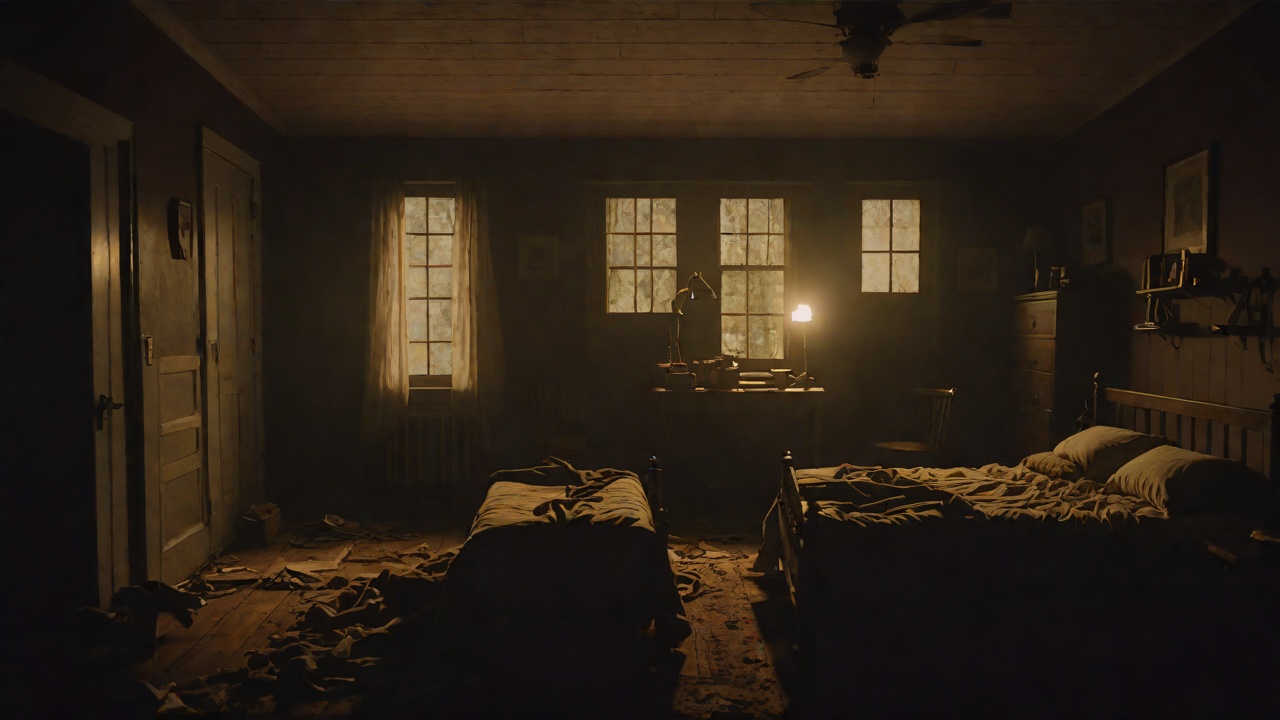
Watching Her Bedroom Light
Scene
Atlas sits in the dark of the condemned house, ready to end his life, when a light turns on in Lily's bedroom across the backyard. He watches her move around, write, and settle into the bed. The light is the first thing to interrupt his numbness.
Significance
The image frames Atlas's devotion as gratitude for life itself. Lily does not know she is being watched; she simply lives, and that is enough to pull him back from the edge. It will be the origin of his saying that she saved his life without trying.
Aftermath
Atlas begins to seek ways to be near her, taking the bus to school and accepting her help. His love is rooted in the belief that she is the reason he survived.
Returning on Her Birthday

Returning on Her Birthday
Scene
Atlas, already living in Boston, sneaks back to Plethora on Lily's birthday and climbs through her window. He tells her he has missed her and that she is still his favorite person. He then says goodbye before the Marines and gives her the Boston magnet.
Significance
The visit is an act of love performed at personal risk. Atlas knows the dangers of returning to Andrew Bloom's house, but he cannot let her birthday pass without seeing her. The gesture cements his role as the one who loves from afar.
Aftermath
The beating that follows becomes the reason he stays away for years. His love is bound up in sacrifice and silence.
Hesitating on College Campus

Hesitating on College Campus
Scene
Atlas walks around Lily's campus for a day, working up courage to approach her. He finally sees her laughing with friends, then watches a boy kiss her. He leaves without speaking because she looks happy, and he does not believe his life is good enough to add to hers.
Significance
The scene is the most painful proof of Atlas's selfless love. He chooses her happiness over his own desire. The decision also feeds Lily's later belief that he abandoned her, not knowing the truth.
Aftermath
Atlas enlists for another tour rather than staying nearby. He carries the memory of her laughter into the military, using it as a reason to keep going.
Hidden Number as a Lifeline
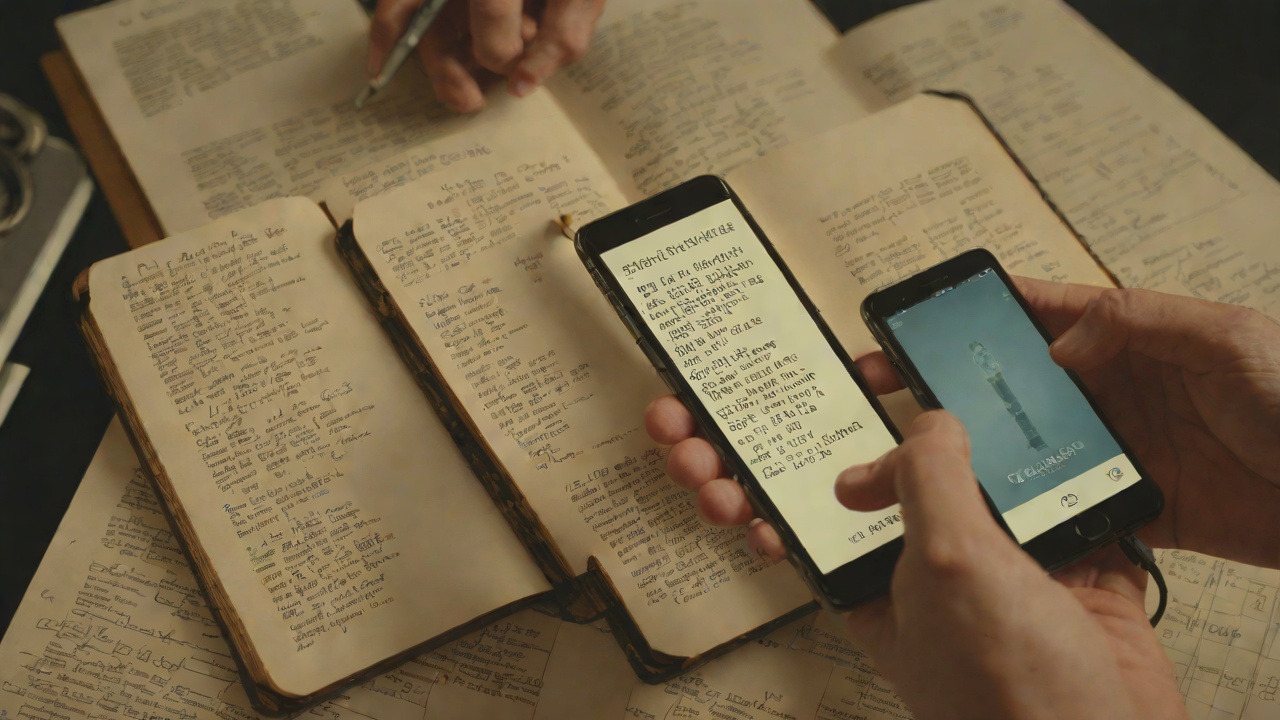
Hidden Number as a Lifeline
Scene
Atlas places his phone number inside Lily's phone case and tells her to keep it hidden. He hopes she will never need it, but he wants her to know there is one safe number in the world. Lily memorizes it despite herself.
Significance
The hidden number is the physical encapsulation of Atlas's devotion: present, hidden, and ready to appear only in crisis. It also creates the terrible conflict with Ryle when discovered. In the end, the number saves Lily's life.
Aftermath
When Lily is bleeding after Ryle's assault, the memorized number is the only thing she can think to dial. Atlas answers and comes without question.
Waiting Until His Life Is Good Enough

Waiting Until His Life Is Good Enough
Scene
Atlas tells Lily that his life feels good enough for her now, and that she can come to him whenever she is ready. He has built a second restaurant, established himself, and shed his old belief that he was undeserving. Lily runs back to tell him Emerson's middle name is Dory.
Significance
The final confession closes the loop of Atlas's devotion: he never stopped wanting her, but he needed to feel worthy. Lily's embrace in the middle of the street acknowledges that she has been waiting too. Their silent and patient love finally gets to become something spoken.
Aftermath
Atlas holds Lily as the city rushes around them. The novel's final image is of two people who have reached the shore after years of swimming separately.
on his first night in the abandoned house
when Lily turns sixteen
after his first military tour, while Lily is in college
when Atlas leaves his phone number inside Lily's phone case
on Boylston Street in the epilogue
